Banana Club Economic Inclusion Forum 2026 | Gaborone, Botswana
Some conversations do more than challenge how we think. They expand our understanding of what is possible, who gets to participate, and what it means to succeed together.
On 16 October 2026, Banana Club convened the second edition of its Economic Inclusion Forum at Hilton Garden Inn in Gaborone, bringing together cultural practitioners, entrepreneurs, policymakers, legal professionals and advocates from across sub-Saharan Africa.
Under the theme Access: Beyond Inclusion, the Forum moved beyond conversations about representation to examine the structures, resources and relationships necessary for meaningful economic participation.
From creative ownership and access to capital to entrepreneurship, digital innovation and collective success, the discussions returned to a central question: What does inclusion mean if it does not translate into opportunity, economic agency and sustainable livelihoods?
The Forum’s programme unfolded through four conversations, each approaching access from a different perspective, but collectively reinforcing the importance of building economic systems in which more people can participate and thrive.
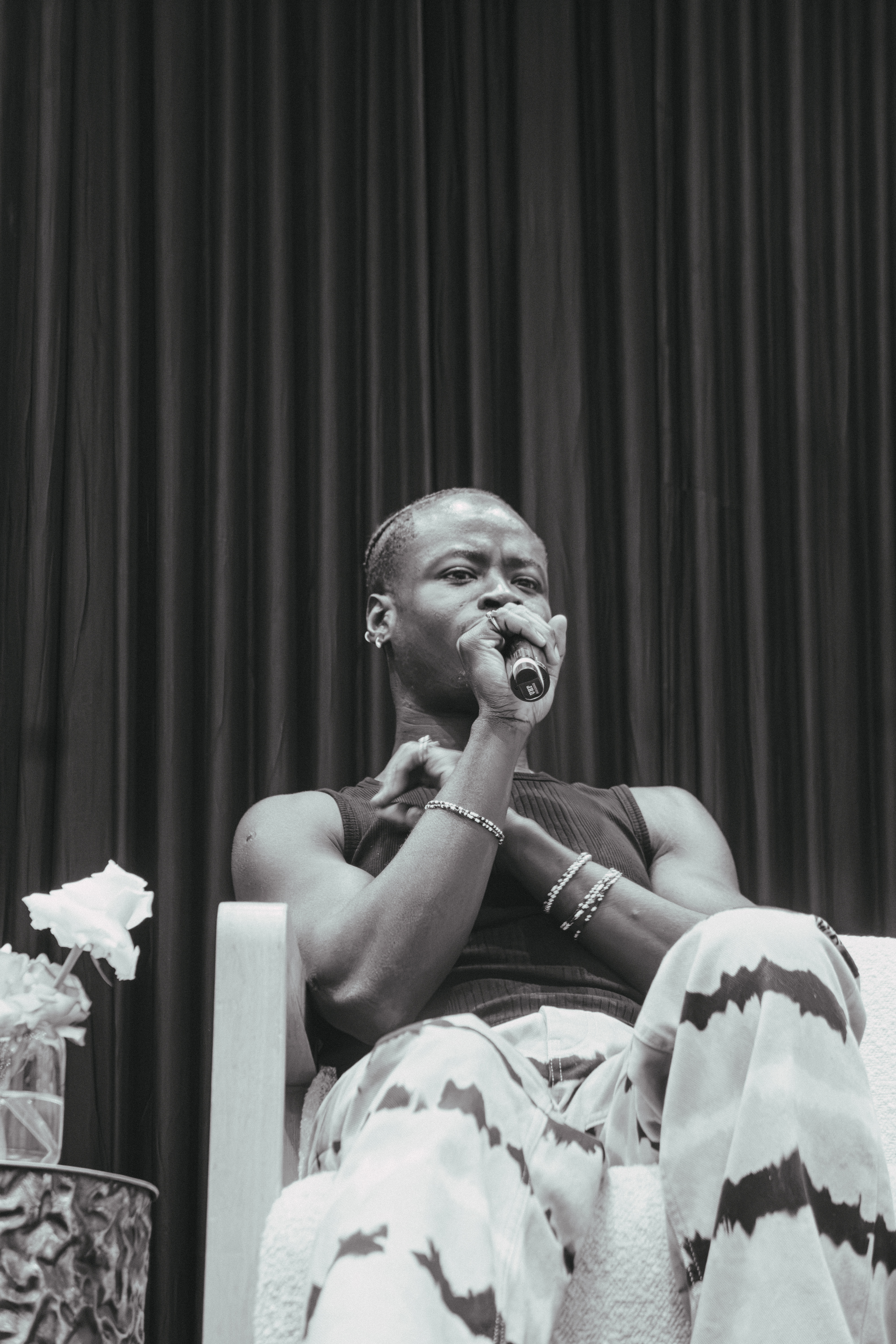
Culture as Economic Power: In Conversation with IB Kamara
Opening the Forum, internationally acclaimed creative director IB Kamara joined Banana Club Founder and Creative Director Tanlume Enyatseng for a conversation about identity, cultural influence, ownership and the economics of creativity.
Kamara, whose career spans fashion, publishing and creative direction, challenged the notion that success should be measured solely through individual achievement or recognition by established Western institutions.
“It is extremely boring to be the only black person in a space,” he remarked, offering a powerful critique of gatekeeping and the scarcity mentality that can shape creative industries.
For Kamara, meaningful progress requires creating pathways for others, rather than celebrating the exceptional individual who gains entry into an otherwise inaccessible institution.
He also encouraged African creatives to recognise the value of building careers and cultural enterprises from their home countries. In an increasingly connected world, digital platforms have transformed how creative work travels, how audiences are reached and where opportunities can emerge.
The conversation challenged the assumption that international relocation is a prerequisite for creative success, while emphasising the importance of maintaining ownership of one’s identity, ideas and cultural production.
Perhaps most compelling was Kamara’s deeply communal understanding of success: a future in which he and his friends are all employed, financially secure and able to enjoy life together.
It was a reminder that economic power is not simply about individual visibility, but about the ability to build prosperity that extends beyond oneself.
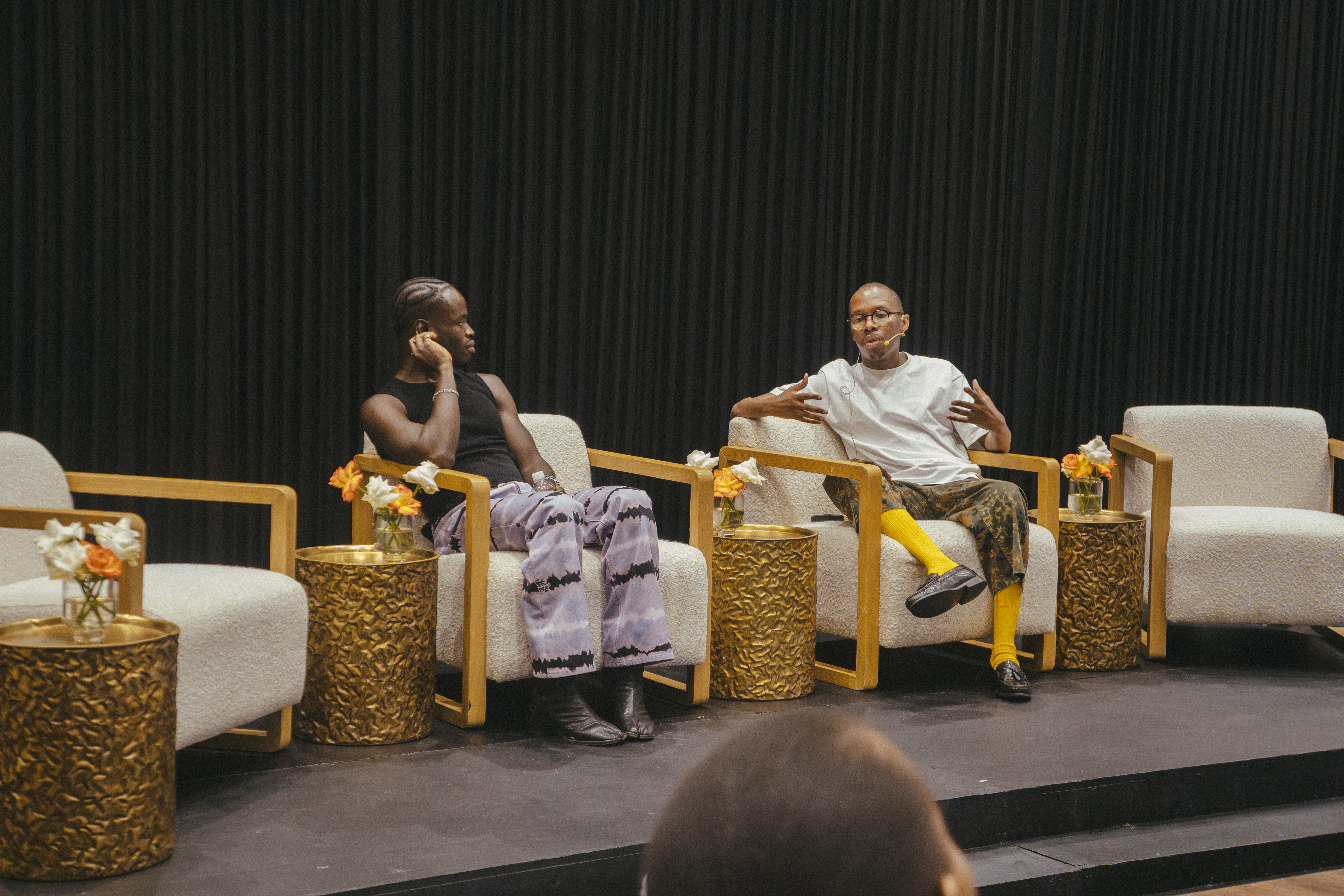
Access to Opportunity: Beyond Representation
The Forum’s Access to Opportunity discussion brought together Chris Muriithi of QACC Africa and Mino Likwasi of Women’s Alliance for Equality, moderated by Rorisang Mogojwe.
The conversation examined the barriers that continue to limit meaningful economic participation, particularly for communities historically excluded from formal economic systems.
From enterprise development and inclusive business ecosystems to the legal and institutional conditions necessary for participation, the session situated economic inclusion as a question of structural access rather than symbolic representation.
The discussion reinforced an important principle underlying Banana Club’s work: opportunity must be supported by systems that enable people to participate, compete and build sustainable livelihoods.
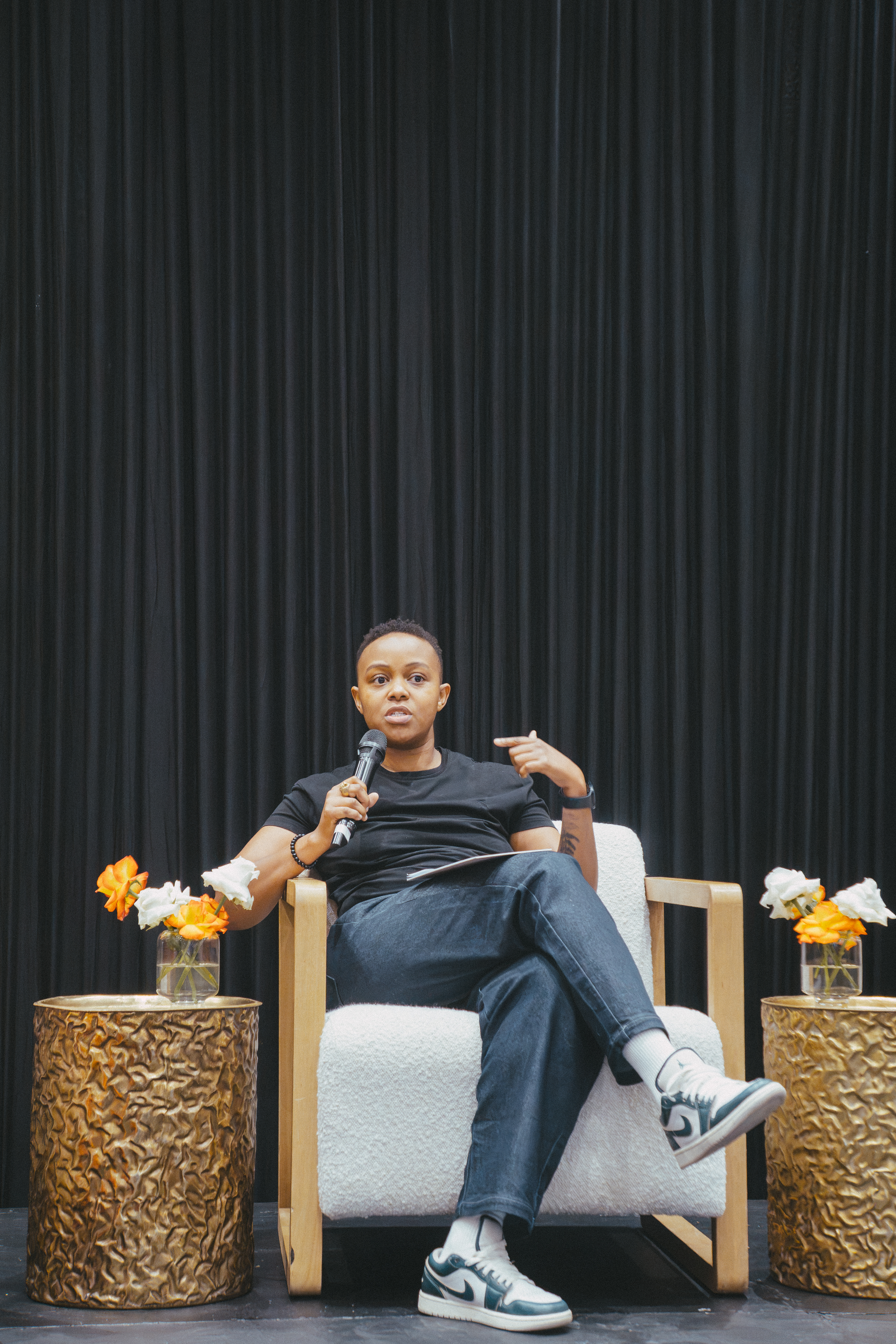
Access to Capital: Rethinking Our Relationship with Money
Access to finance remains one of the defining challenges facing small businesses, independent creatives and emerging entrepreneurs across the continent.
The Access to Capital discussion, featuring Lipian Bongani Mtandabari, Thiruna Naidoo and Karabo Letsholo, moderated by Seanokeng Phuthego, examined the relationship between financial access, entrepreneurship and economic sustainability.
Beyond conventional conversations about funding, the session raised the importance of developing a healthier relationship with money, particularly among small-business owners.
Financial literacy, responsible financial management and the ability to make informed decisions are essential to building enterprises that can endure beyond individual projects, grants or short-term opportunities.
For cultural and creative entrepreneurs, this also means recognising that artistic value and commercial sustainability need not exist in opposition.
A thriving creative economy requires not only talent and visibility, but financial confidence, appropriate resources and viable business models.
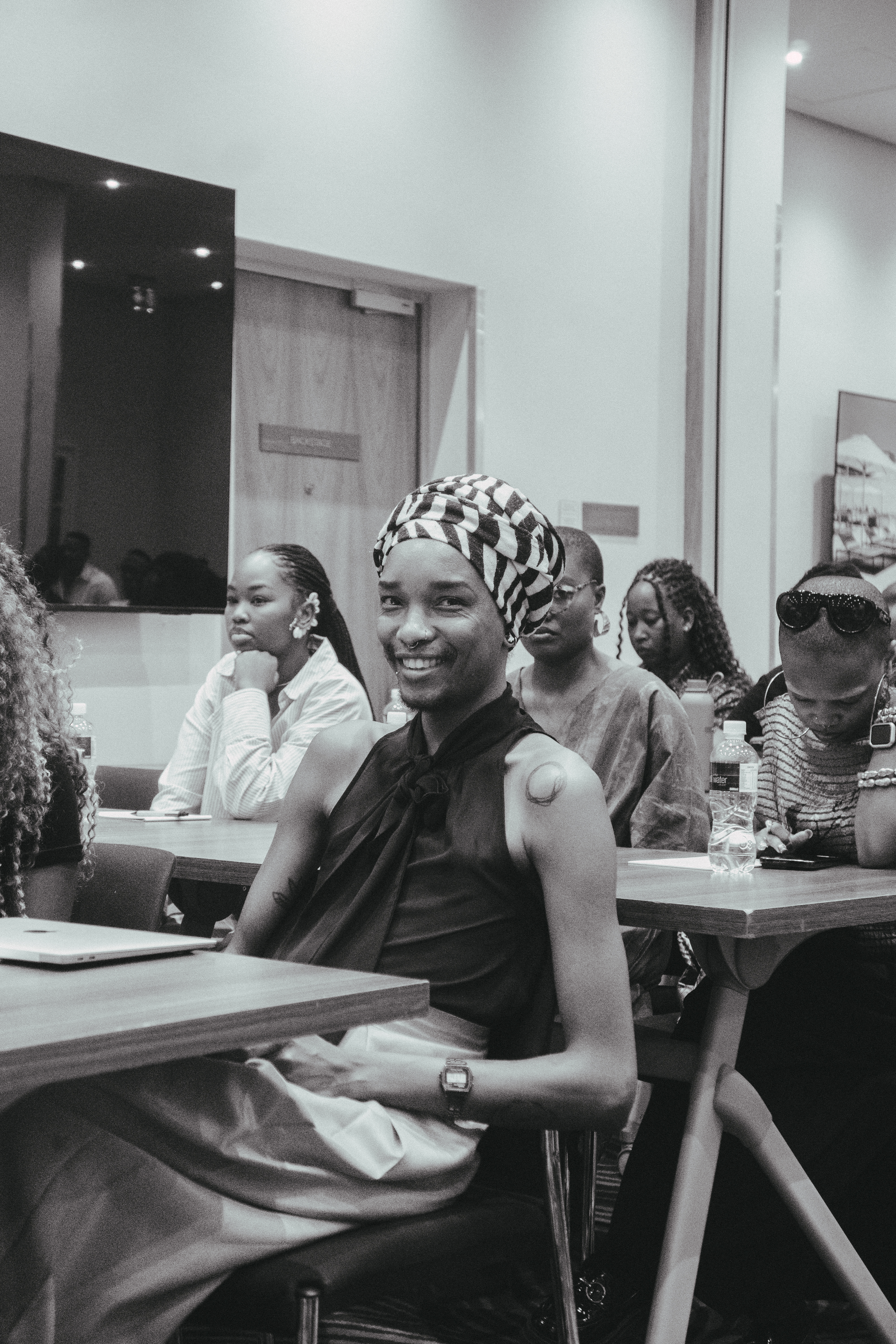
Access to Digital Futures: Creativity in a Connected Economy
The Forum’s final panel, Access to Digital Futures, brought together Dato Seiko, Eliana N’Zualo and Ban-T, moderated by MamThug, to consider how digital platforms, music, technology and entrepreneurship are reshaping Africa’s creative industries.
As creative careers increasingly develop across digital spaces, the discussion explored the possibilities of reaching audiences, building independent platforms and translating cultural influence into economic opportunity.
The conversation also underscored the importance of ensuring that creators are not merely contributing to digital economies, but are positioned to benefit from the value they generate.
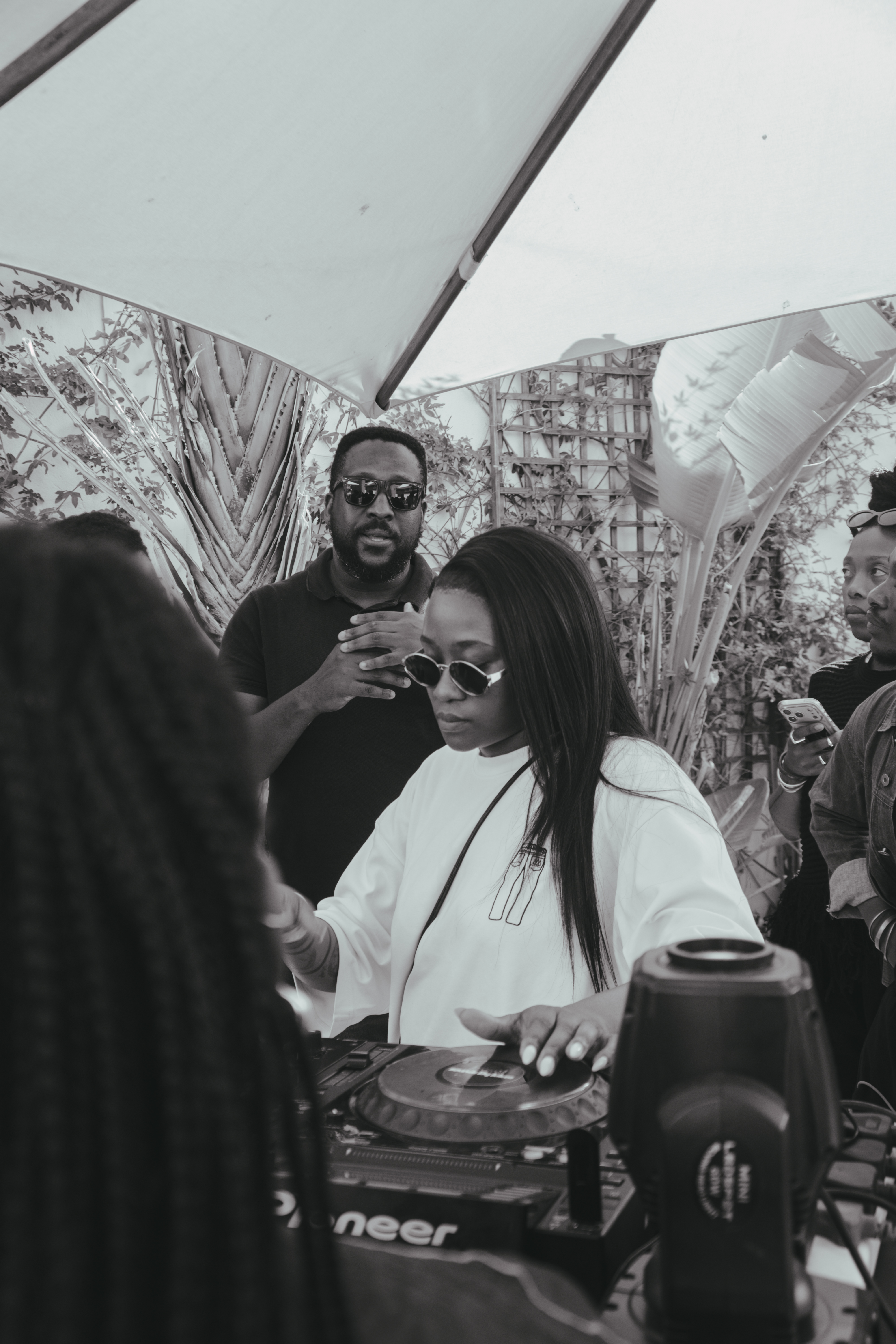
The programme continued into the afternoon with the Digital Futures Lab, featuring a practical DJ skills workshop led by Thuli Tools, alongside the Makwati Media Lounge, before concluding with Open Decks, curated by MamThug.
Together, these activities extended the Forum beyond discussion into practical learning, creative exchange and opportunities for emerging talent.
From Conversation to Collective Possibility
The successful delivery of the 2026 Forum marked another important chapter in Banana Club’s commitment to connecting culture, economic inclusion and social change.
Across its discussions, workshops and informal exchanges, the Forum created opportunities for practitioners from different sectors and countries to encounter one another, share knowledge and consider new possibilities for collaboration.
It also demonstrated the value of bringing conversations about economic development into cultural spaces, where questions of identity, creativity, community and participation can be examined together.
For Banana Club, the objective has never been simply to convene another annual gathering. It is to contribute to a longer-term shift in how economic opportunity is understood, who participates in shaping it, and how cultural institutions can help build more equitable ecosystems.
The reflections emerging from this year’s Forum reaffirmed the relevance of that ambition.
Access is not an invitation into an existing room. It is the ability to shape the room, influence its decisions, and ensure that others can enter and thrive.
As Banana Club looks towards its next chapter, the challenge is to translate these conversations into stronger partnerships, practical opportunities and sustained institutional action.
Because the future of Africa’s creative economy cannot be measured by how many exceptional individuals succeed against the odds.
It must also be measured by how many others are able to succeed alongside them.
The Banana Club Economic Inclusion Forum 2026 took place on 16 October at Hilton Garden Inn, Gaborone, Botswana, under the theme Access: Beyond Inclusion.

