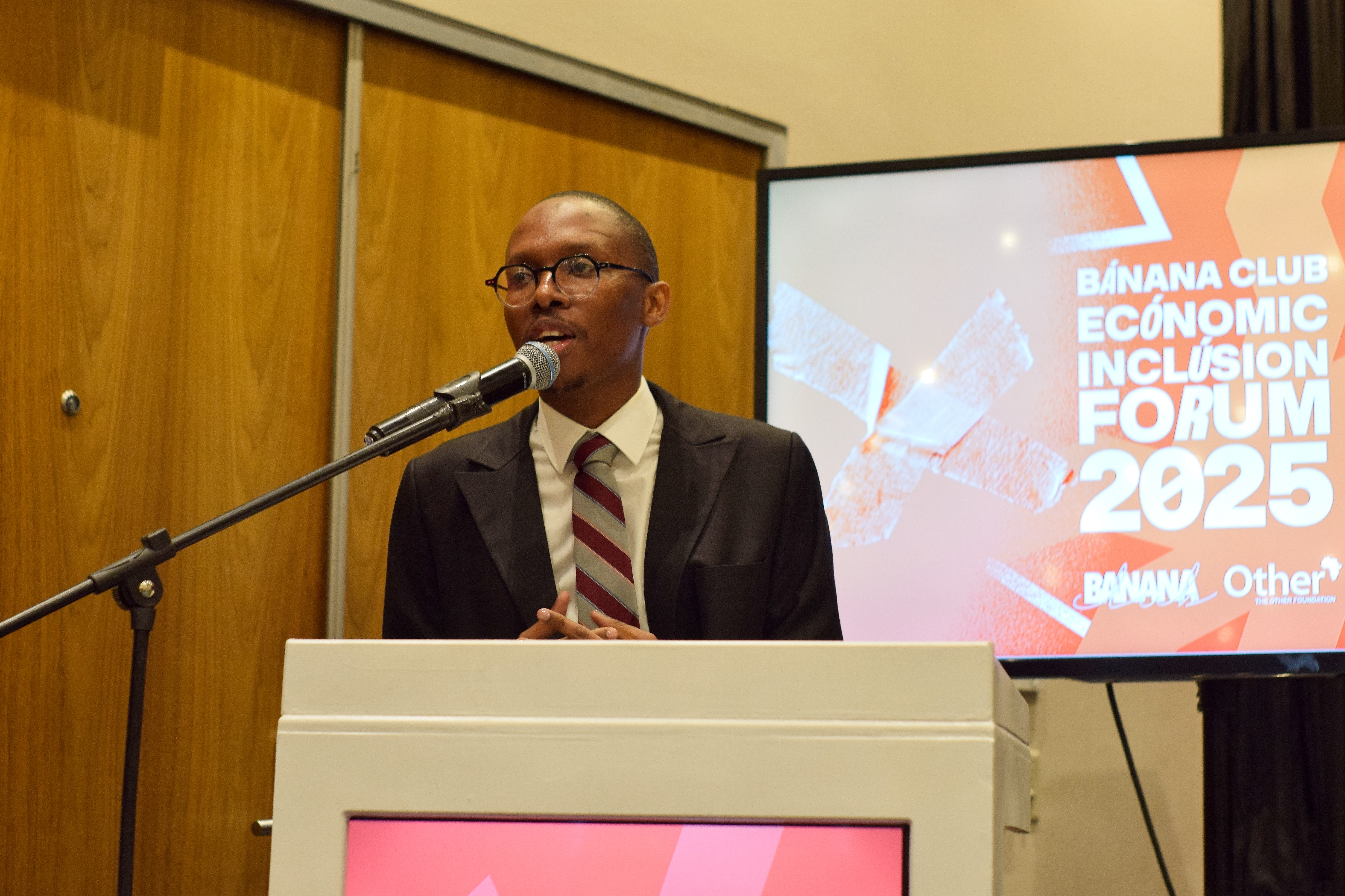
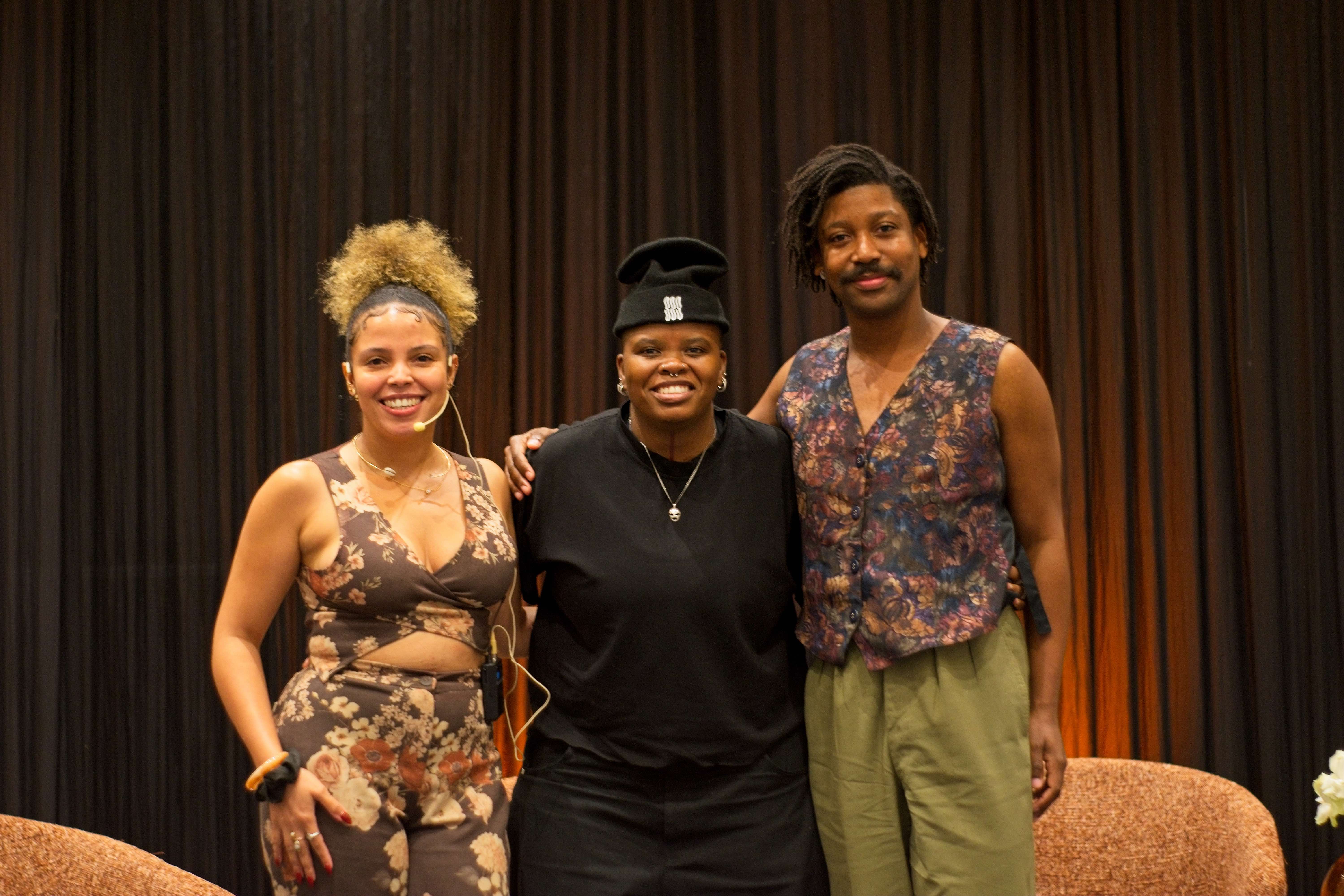
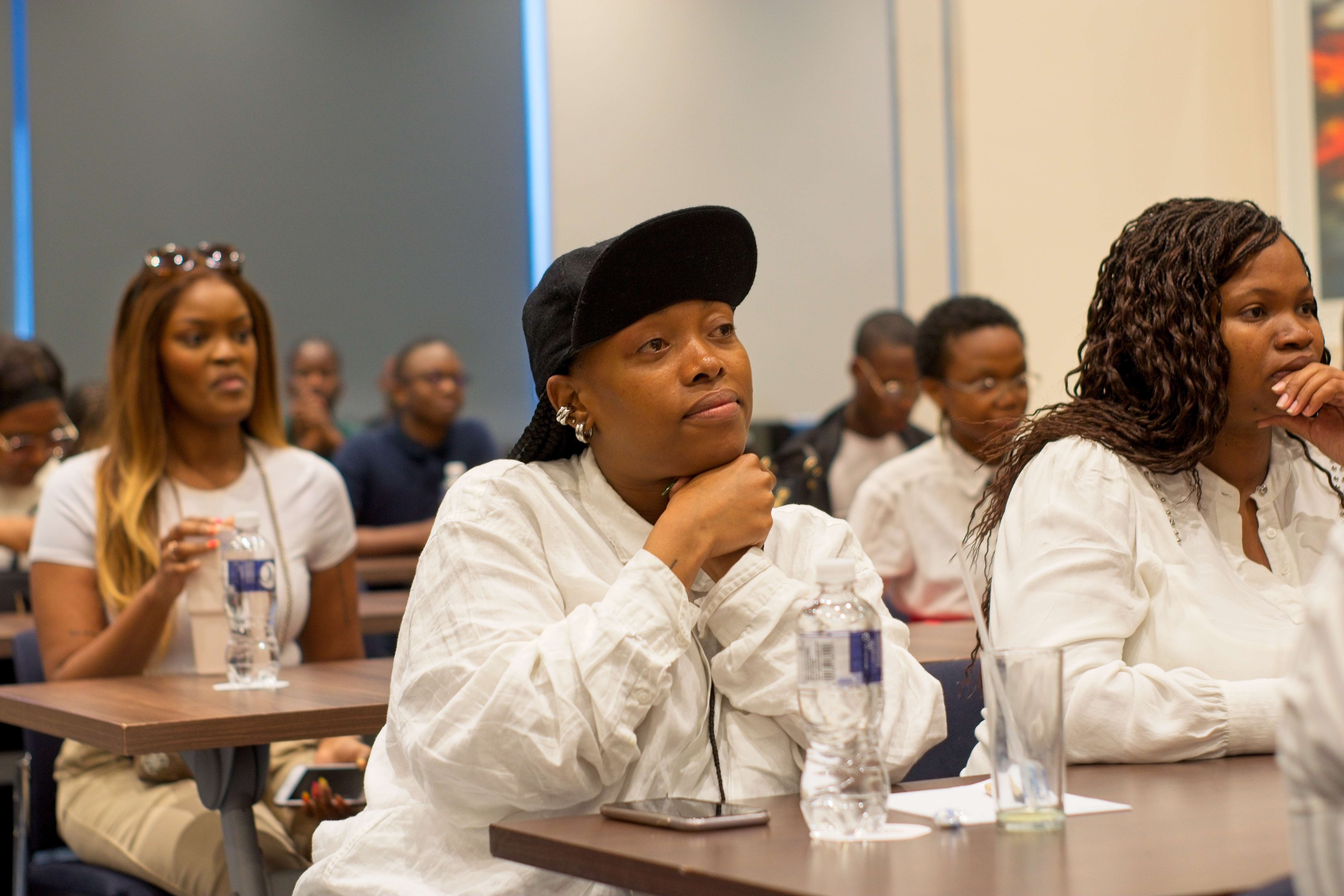
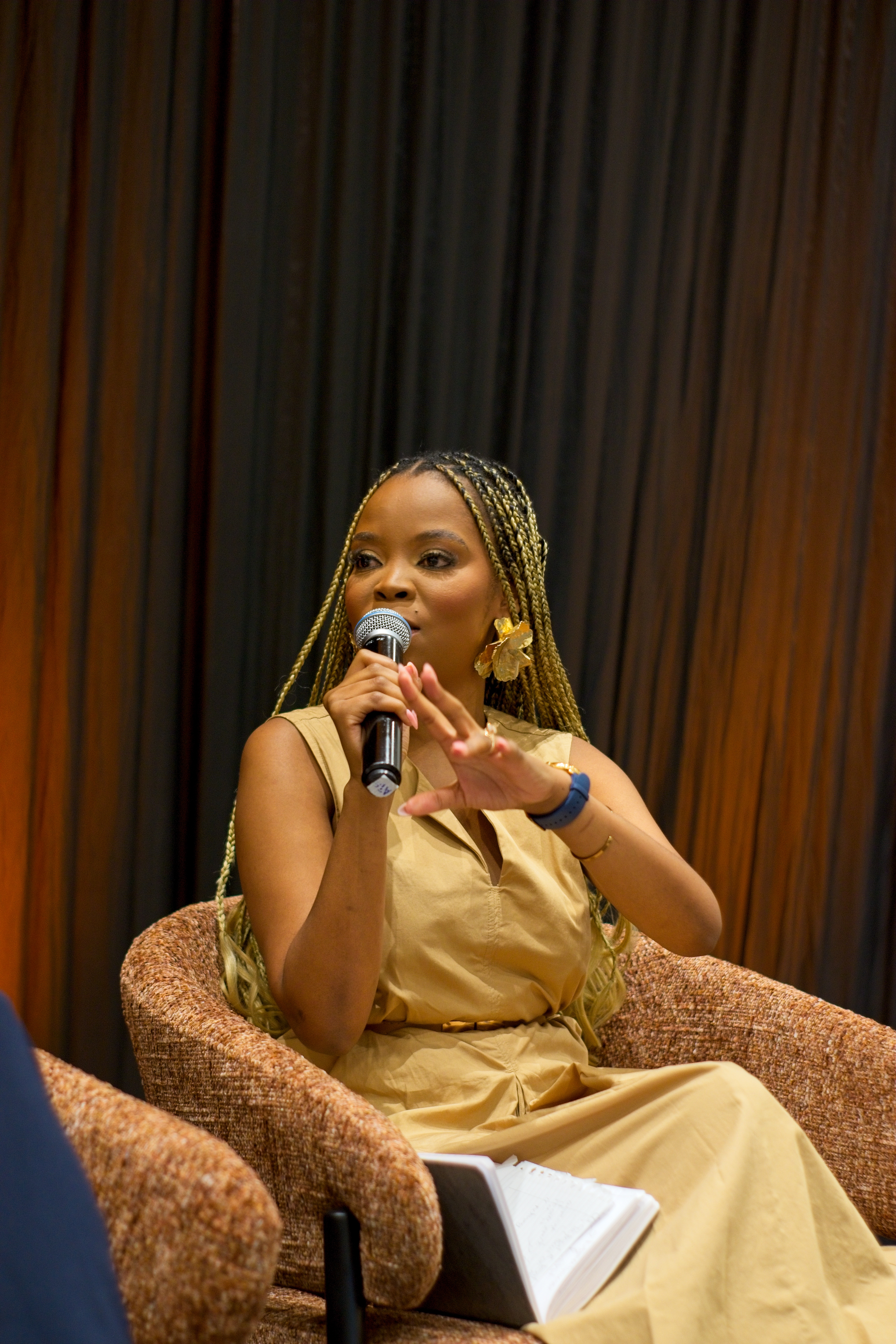
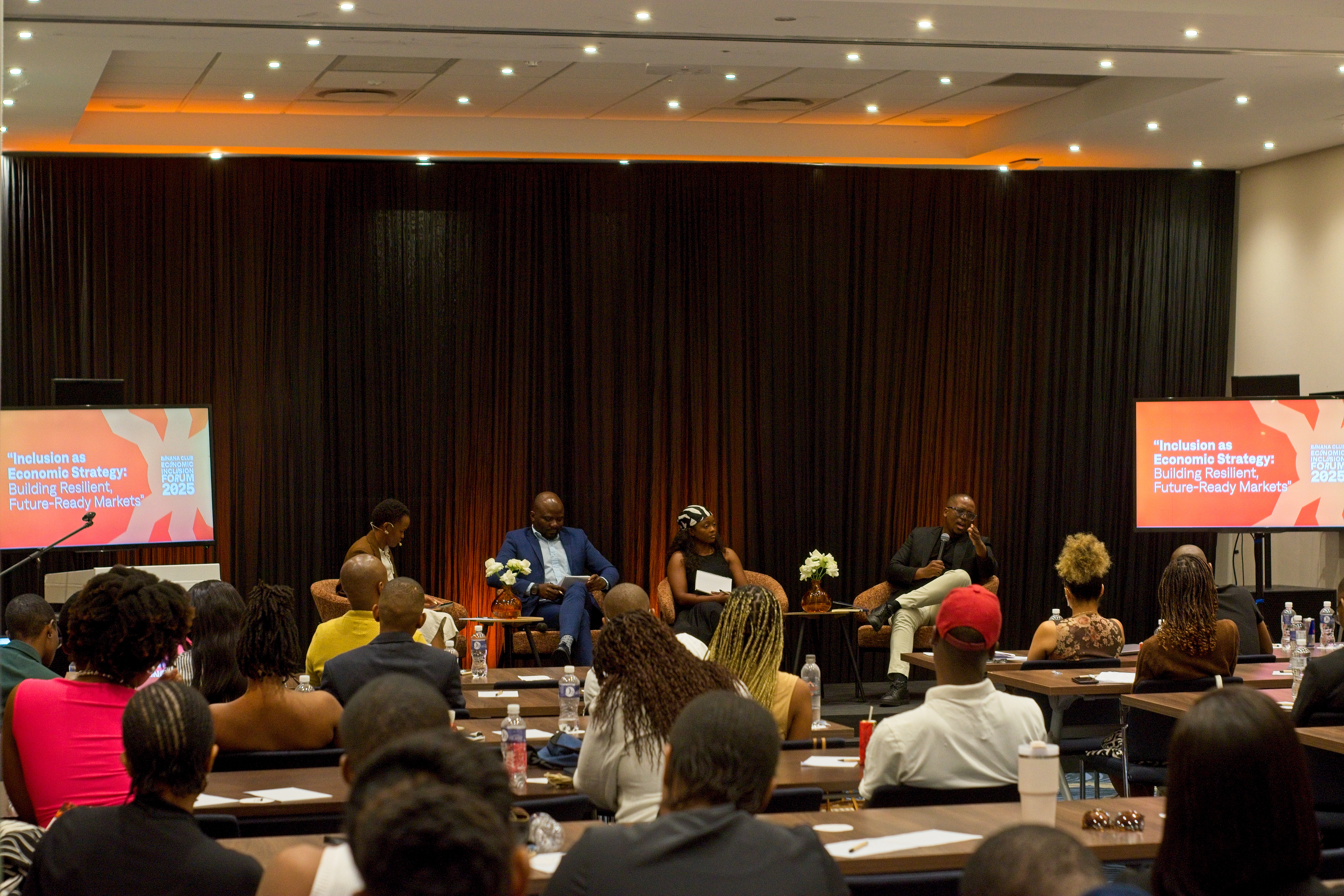
On 24 October 2025, Banana Club convened the inaugural Economic Inclusion Forum at the Hilton Garden Inn in Gaborone, bringing together over 100 leaders across business, policy, finance and culture to interrogate a central question: what would Botswana’s economy look like if inclusion were treated as economic infrastructure rather than social goodwill?
Held under the theme “Building Resilient, Future-Ready Markets,” the Forum positioned equity, identity and innovation not as peripheral concerns, but as strategic drivers for Southern Africa’s next phase of growth. At a time when traditional growth models are showing structural limits — from youth unemployment to weak private sector productivity — the Forum proposed inclusion as a credible and necessary economic strategy.
Inclusion as strategy, not sentiment
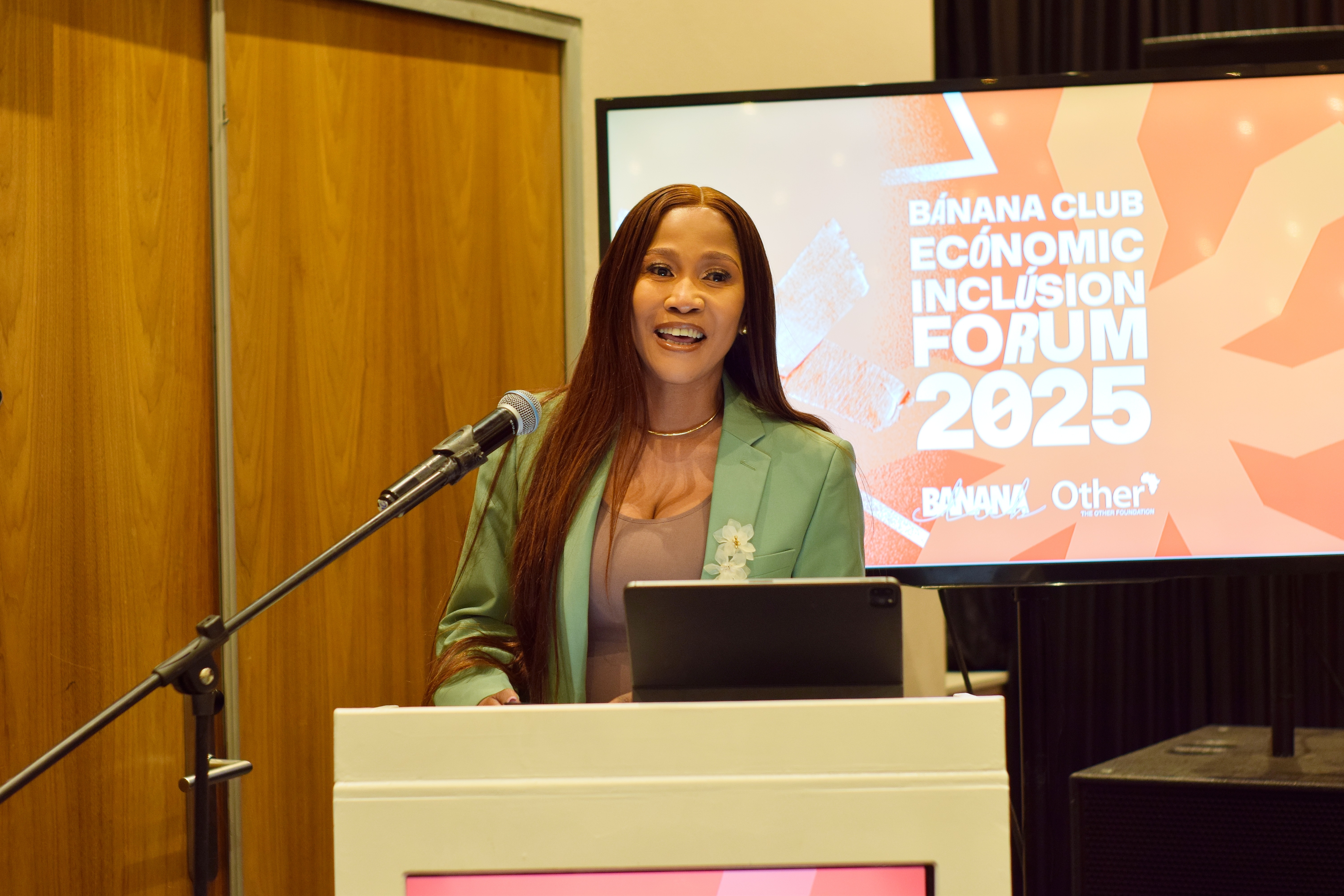
Delivering the keynote address, Kefilwe Mokone, Senior Manager for Cultural Transformation, Diversity, Equity, Inclusion & Belonging at Debswana Diamond Company, reframed inclusion as a core business principle rather than a corporate add-on.
“We cannot speak about sustainability without inclusion,” Mokone noted. “True economic growth comes when every citizen is empowered to participate fully and authentically. By investing in equity and belonging, we build markets that reflect both our values and our future.”
Her remarks set the tone for the day: that inclusive economies are not only ethical imperatives, but commercially intelligent systems that expand consumer bases, unlock underutilised talent, and build long-term resilience.
Culture as economic capital
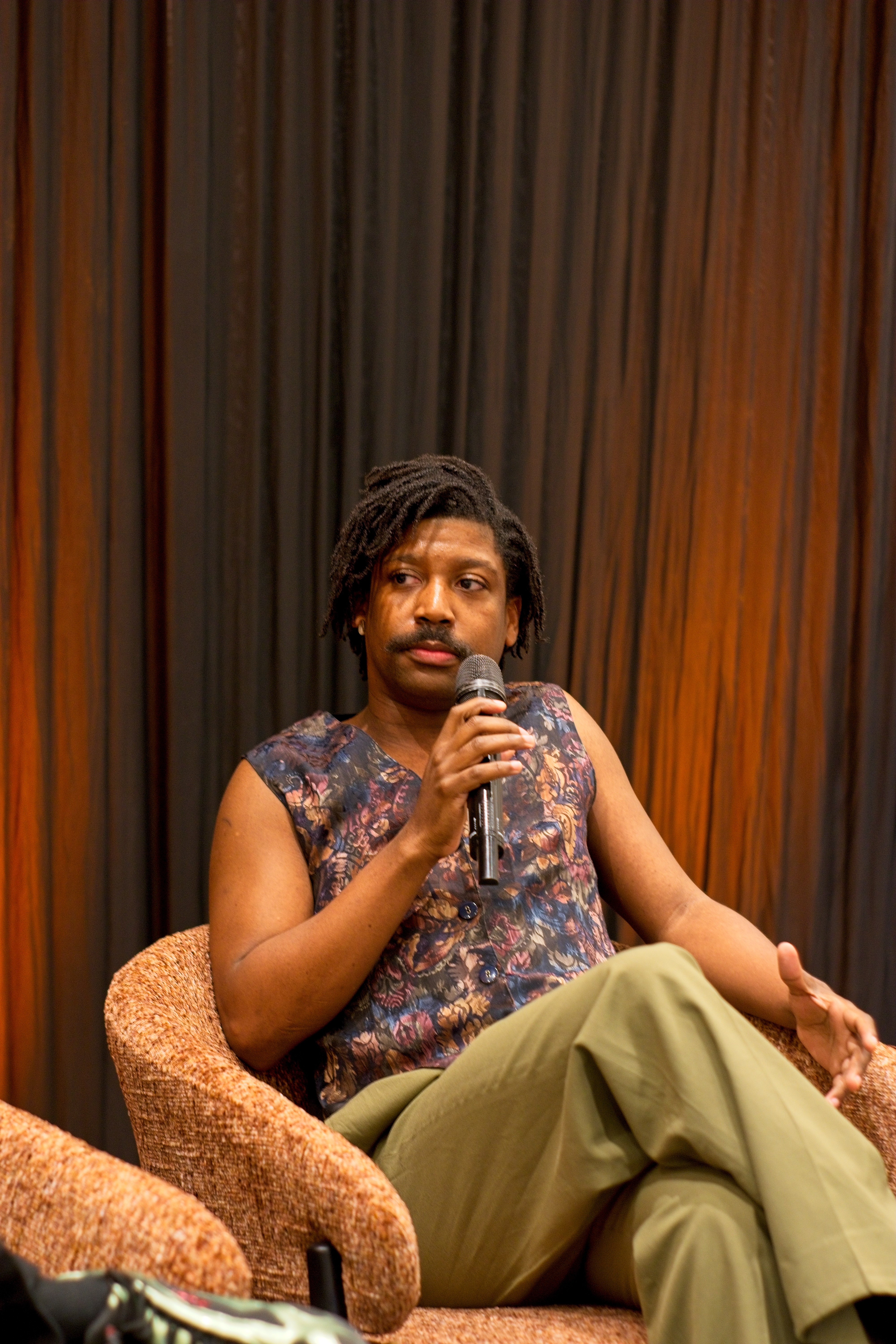
Panels throughout the Forum featured regional voices working at the intersection of business, law, advocacy and cultural production, including Sylvester Chauke (DNA Brand Architects, South Africa), Bokang Bane (Queer WorX, Lesotho), Letlhogonolo Moremi (ParkGrey IP), Andiswa Dlamini (The Other Village, South Africa), and Yuck Miranda (Ulayo Queer Festival, Mozambique).
Discussions moved beyond surface-level diversity rhetoric into practical questions around:
- inclusive business models,
- intellectual property and policy frameworks,
- and the role of cultural industries as drivers of economic value.
A recurring insight across sessions was that culture — often treated as “soft power” — is in fact a measurable economic asset, shaping consumer behaviour, labour markets, tourism, and national brand positioning.
Introducing the Pink Pula
Closing the Forum, Tanlume Enyatseng, Founder and Creative Director of Banana Club, introduced the concept of the “Pink Pula” — a strategic framework for imagining Botswana’s inclusive economic future.
“The Pink Pula symbolises a new era for Botswana, one where creativity, diversity, and human potential become the drivers of growth,” Enyatseng said. “Inclusion isn’t charity; it’s good business. We must unlock the economic power of those at the margins if we want to build a resilient and prosperous nation.”
The Pink Pula reframes LGBTQ+ inclusion, creative participation, and marginalised communities not as beneficiaries of development, but as active economic agents within Botswana’s growth agenda.
From dialogue to practice
The Forum concluded with a Cocktail Reception and Banana Club Block Party at Court Five, followed by a DJ Masterclass in collaboration with Thugsgiving at Zest Restaurant — extending the day’s policy conversations into creative practice and skills development.
These activations reflected Banana Club’s broader methodology: pairing discourse with lived cultural production, and theory with tangible economic participation.
A defining moment for Botswana’s inclusion economy
Supported by The Other Foundation, LEGABIBO, Hilton Garden Inn, and Degree Beverages, the inaugural Banana Club Economic Inclusion Forum marked a significant moment in Botswana’s economic discourse — one that positions inclusion not as a moral footnote, but as a growth frontier.
As Botswana navigates an increasingly complex global economy, the Forum’s central proposition remains clear: the future of growth will belong to economies that are brave enough to include everyone in its design.
 Banana Emoji